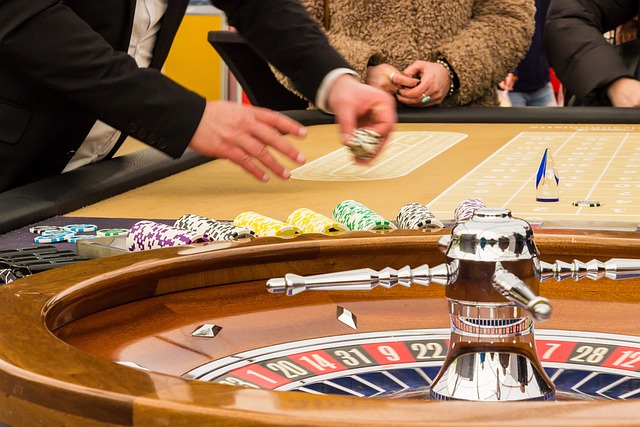

They say luck is blind, but in places like Macau, Monte Carlo, and Las Vegas, it wears designer sunglasses and rides in a blacked-out Rolls. These glittering playgrounds aren’t just tourist traps with slot machines—they’re economic engines wrapped in velvet, spinning out geopolitical gold dust.
Forget oil. Forget tech. The real silent powerhouse? Casino tourism. It’s the high-heeled diplomat of the global economy—schmoozing with big spenders, flirting with international investors, and tipping governments in hard currency. At the crossroads of entertainment and diplomacy, casinos are more than chips and cards—they’re leverage.
The Blackjack Borders
Take Macau, for example. Once a sleepy Portuguese colony, now the undisputed emperor of gaming revenue. Here, baccarat isn’t just a game—it’s policy. With a GDP woven from casino receipts, Macau turned itself into a shimmering cash magnet that even Las Vegas can’t rival. Chinese high-rollers cross borders not just for fortune, but for a sanctioned escape from Beijing’s financial eyes.
And what about Monte Carlo? That tiny sliver of Monaco, barely a breadcrumb on the map, but oh-so-heavy with elegance and euros. Its casino doesn’t just spin roulette—it spins perception. It makes the microstate relevant. Geopolitically, Monte Carlo is a velvet-wrapped reminder that size doesn’t matter if you know how to roll the dice.
Las Vegas: The Mirage That Made It Real
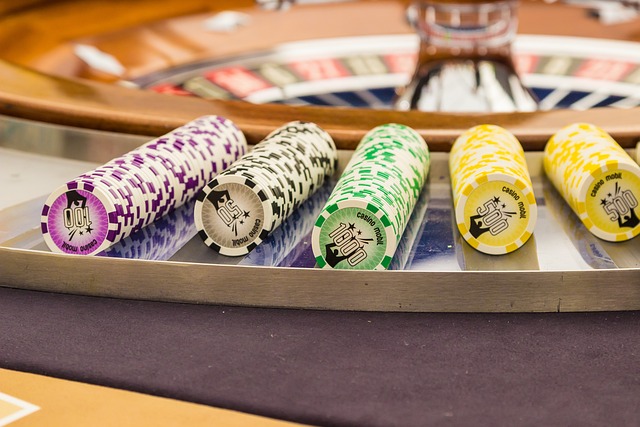
Meanwhile, Vegas plays its own game. Less diplomacy, more spectacle. But don’t let the Elvis impersonators fool you—this is strategic tourism. Americans, Canadians, and even the occasional Icelandic bachelor party dump dollars into the Nevada desert, creating a mirage that actually pays the bills. Vegas might look like a theme park for grown-ups, but it’s really a fiscal fortress camouflaged in neon.
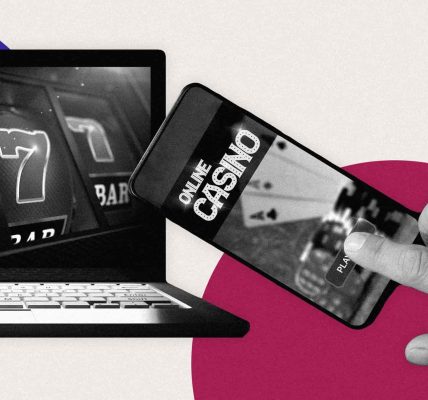
And somewhere in that ecosystem, platforms like HellSpin are extending the casino frontier into digital realms. HellSpin’s global reach shows how virtual gaming can now feed into the same tourism loops, drawing in players before they even touch down in a hotel suite.
Spinning Wheels, Moving Borders
Casino tourism doesn’t just boost local businesses; it adjusts economic gravitational pulls. Border towns with once-rusty economies suddenly find themselves hosting mini-Vegases, turning gamblers into border crossers, and border crossers into citizens of chance. Political leverage follows. Whoever owns the chips owns the conversation.
Even online operators like HellSpin mirror this strategy, becoming digital ports of entry into this glittering universe. They act as trial runs for future tourists, luring them from keyboard to craps table.
Conclusion: The House Always Wins (and So Does the Region)
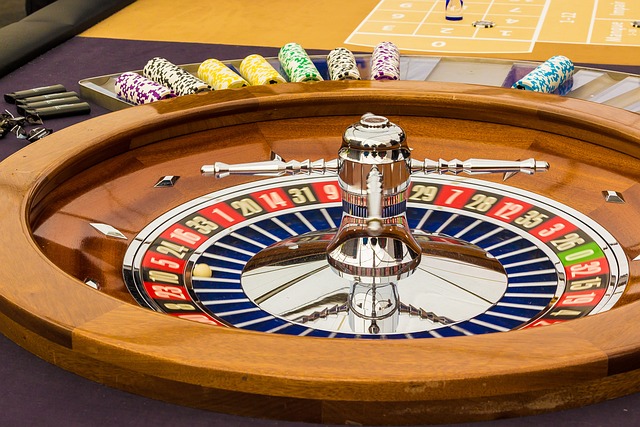
In the grand chessboard of global economics, casino tourism is that flamboyant knight—unexpected, flexible, deadly effective. It charms, it dazzles, and it funds everything from skyscrapers to social programs.
So next time someone dismisses gambling as a pastime for the reckless, remind them: a single roll of the dice in Monte Carlo might just fund a public garden. A lucky streak in Vegas could subsidize a new highway. And behind that glinting slot machine? A government quietly counting its blessings.
Because in border economies, the house doesn’t just win. It reigns.